ROBOTIC SURGERY
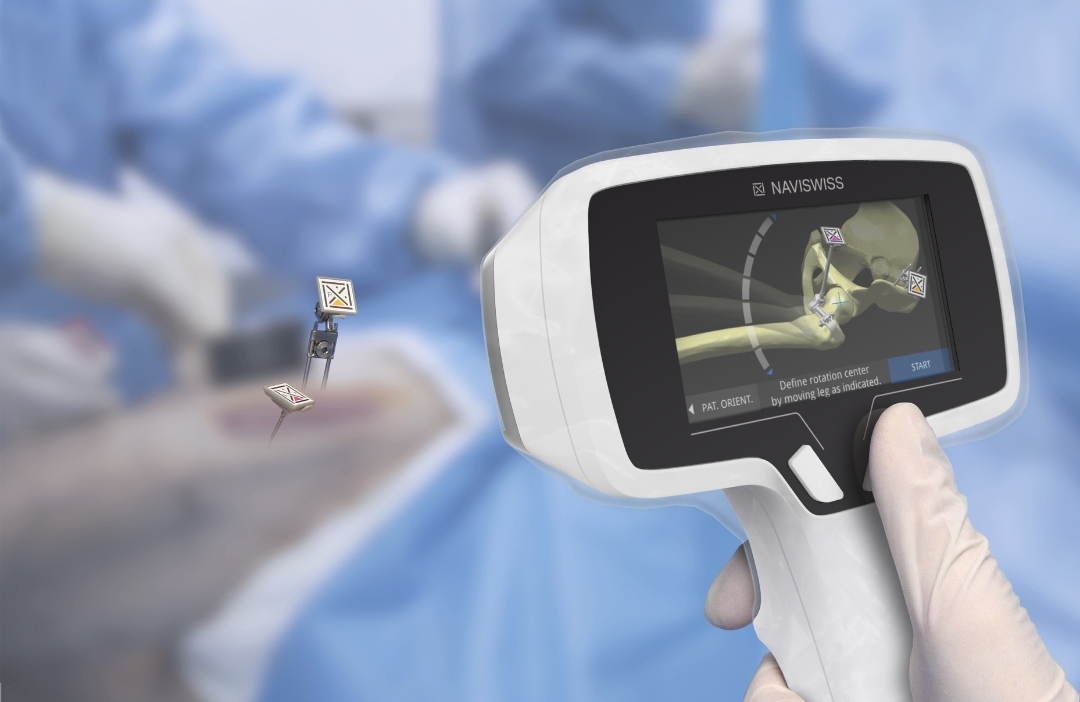
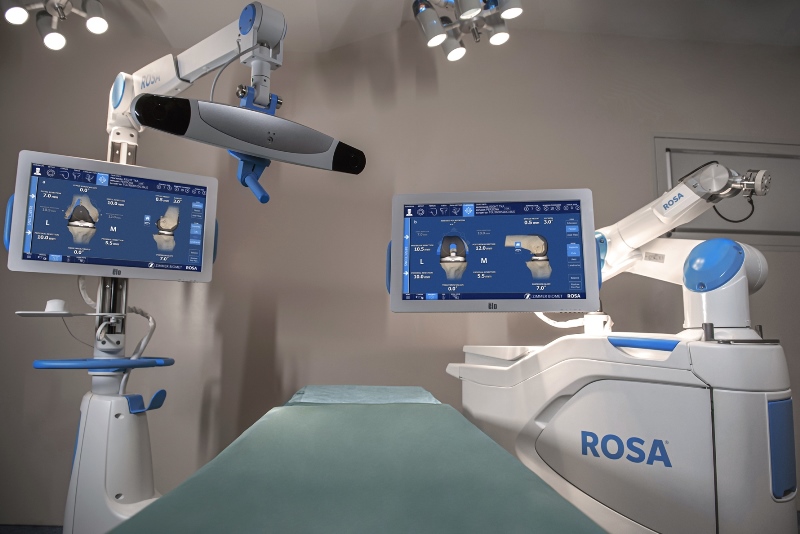
Robotic surgery in orthopedics refers to the use of robotic assistance systems during orthopedic procedures. These systems allow the surgeon to plan and perform the required incisions and adjustments to the patient’s skeleton with a high degree of precision. This technology does not replace the physician, but enhances his skill and efficiency, offering increased control and predictability.
- Total and Partial knee arthroplasty, where precise placement of the prostheses is required.
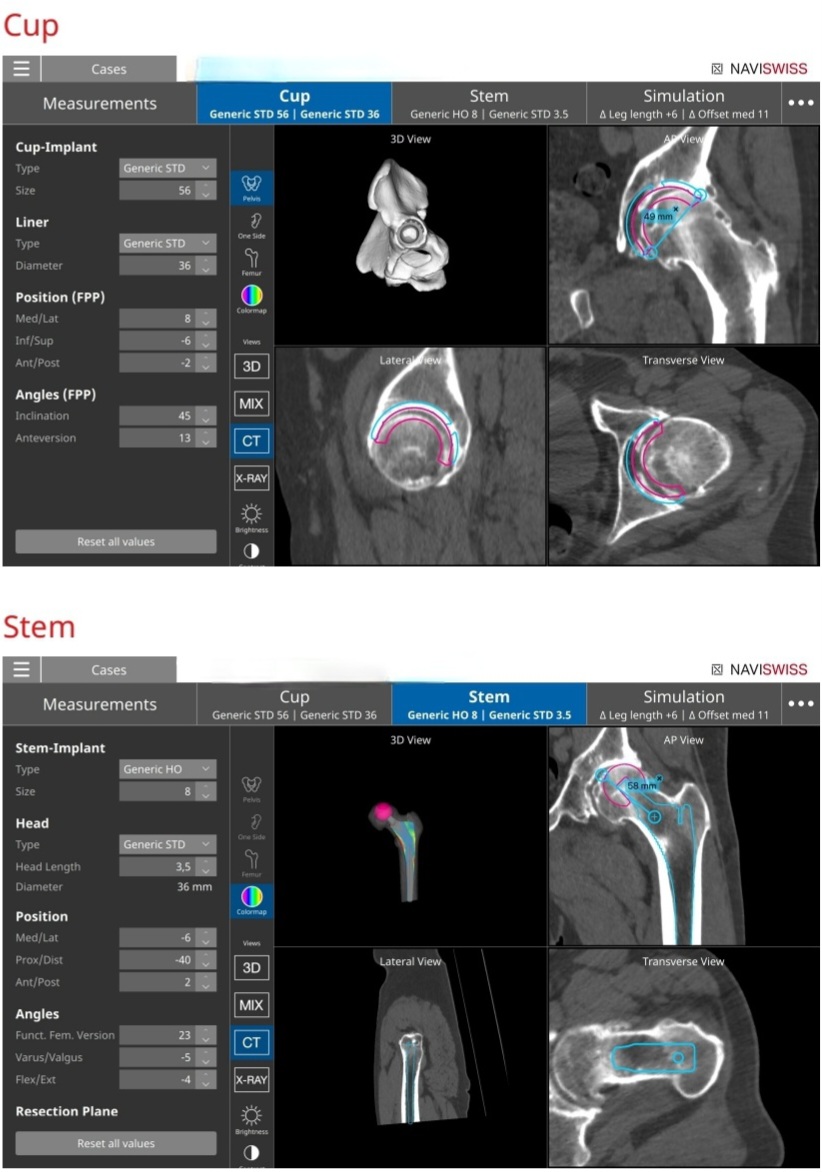
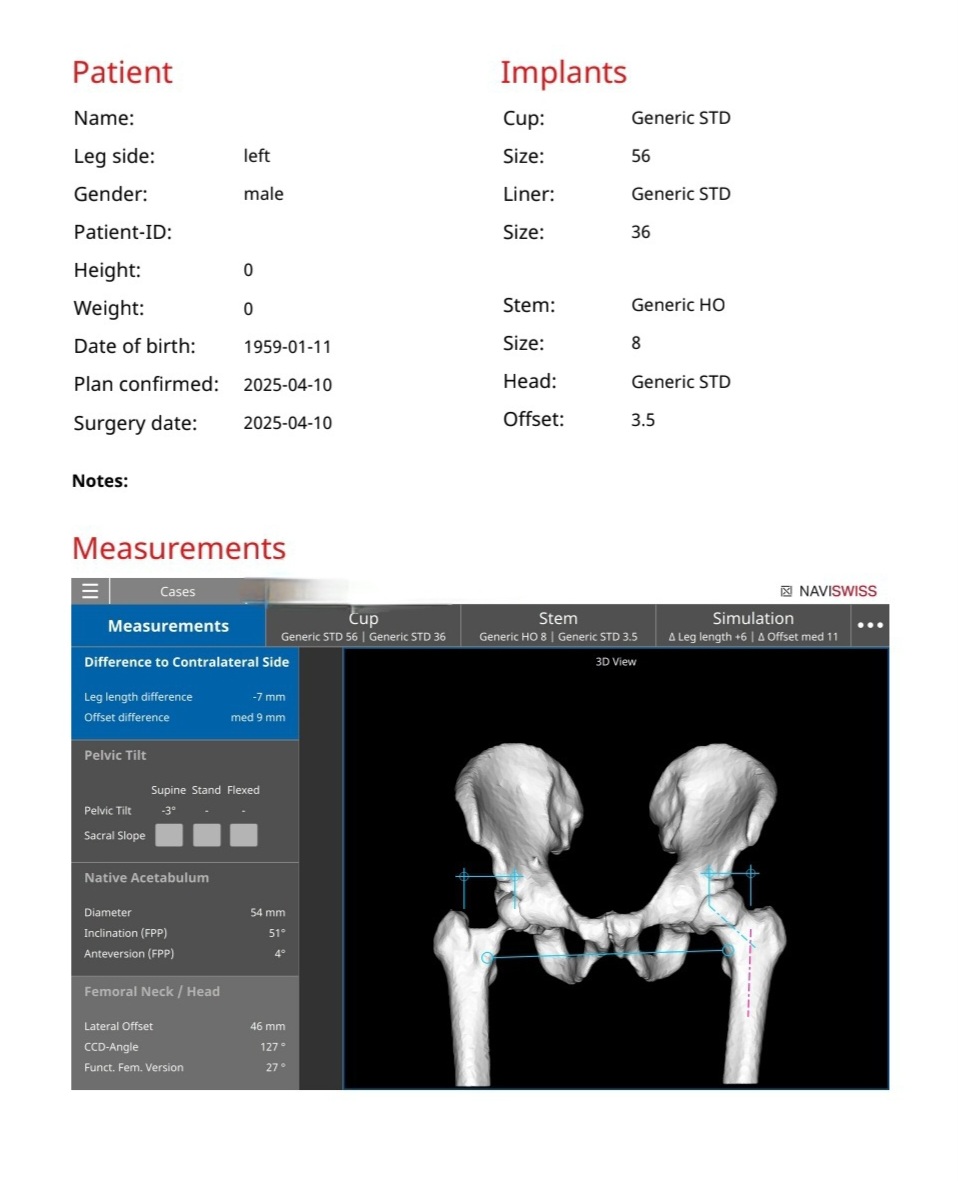
- Hip arthroplasty, aiming for optimal alignment and stability of the implant.
- Spinal surgeries, for the placement of screws or other materials with minimal risk of injury to nerve structures.
- Deformity repair surgeries, where absolute geometric precision is required.
- Robotic surgery in orthopedics represents one of the most impressive developments in modern medicine. It provides significant advantages in terms of precision, rehabilitation and overall quality of life for patients.
- Increased precision and stability in implant placement.
- Reduced complications and reoperations.
- Smaller surgical incisions, bloodless surgery and minimized postoperative pain.
- Shorter hospitalization and faster recovery.
- Personalized surgical approach, tailored to each patient's unique anatomy through preoperative planning.
Before surgery, the patient undergoes tests such as a computed tomography (CT) scan or magnetic resonance imaging (MRI). This data is fed into the robotic system, which creates a 3D model of the joint.
- During the operation:
The surgeon operates the robot, which provides high precision in implant placement. - The robotic system detects the surgeon's movements and performs them with stability and controlled force.
- There are systems that operate either passively (the surgeon does the main work), or actively (the robot performs some movements on its own under supervision).